
Materials and finishes for a Mediterranean-style kitchen
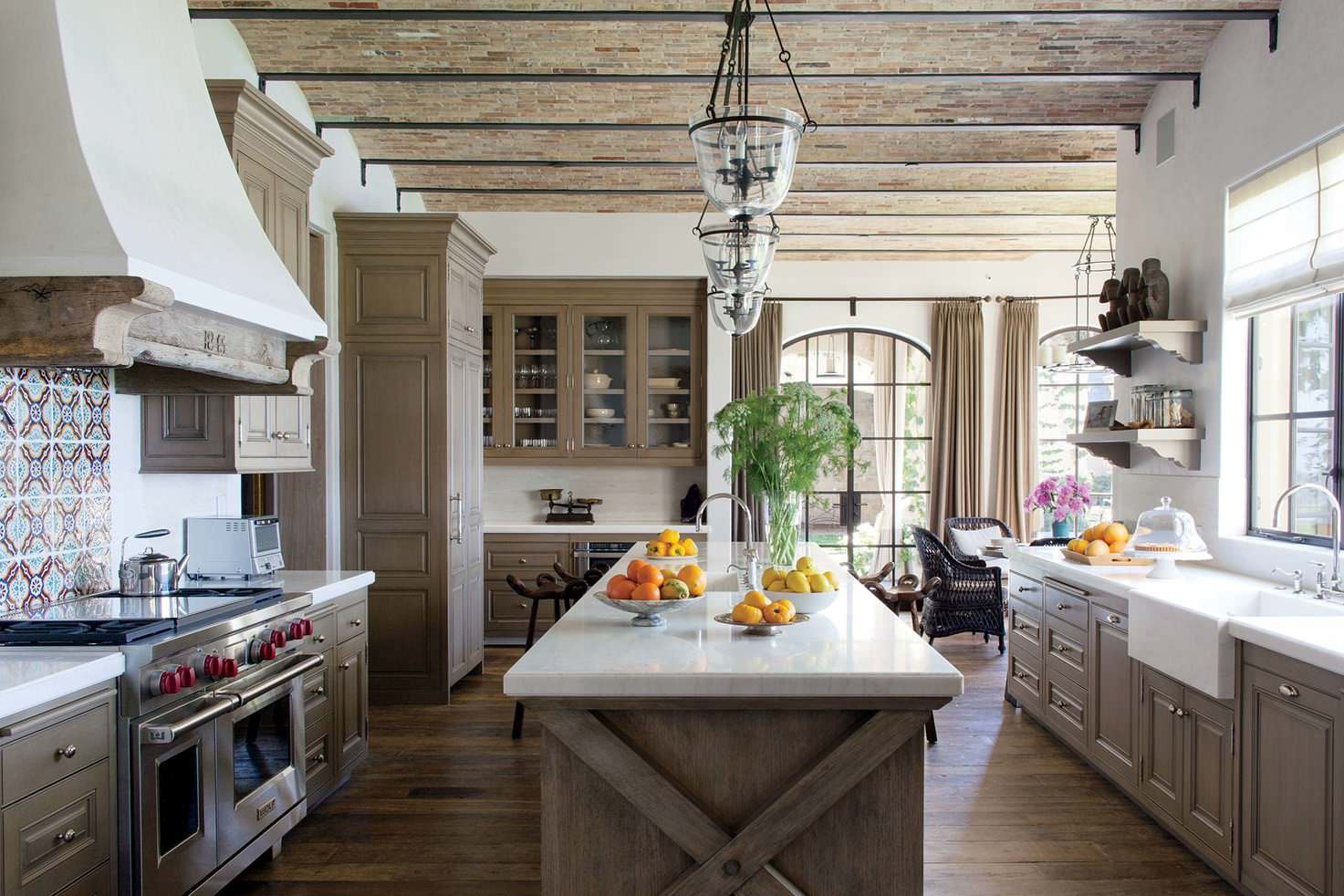
Designing a Relaxed Mediterranean Kitchen
When buying a property in Marbella, it is worth paying attention to the kitchen. A Mediterranean kitchen evokes warmth, ease, and a strong connection to place. It draws on sunlit landscapes, timeworn textures, and materials shaped by tradition. Picture colourful tiles, natural timber, and generous, light-filled spaces designed as much for conversation as for cooking.
By blending rustic details with practical design, it is possible to create a kitchen that reflects the calm, welcoming character of the Mediterranean region. Whether the inspiration comes from Italian coastal homes or the bustling souks of North Africa, this style prioritises comfort, authenticity, and shared experiences.
Defining Features of Mediterranean Kitchen Design
Mediterranean kitchens are distinguished by warm colour schemes, natural finishes, and an atmosphere that feels lived-in and inviting. Textured walls are a defining feature, often achieved through plaster, stucco, or deliberately imperfect finishes that lend depth and character to the space.
The colour palette typically draws from the surrounding landscape, favouring terracotta, olive tones, sandy neutrals, and deep blues. Exposed wooden beams are frequently incorporated into the architecture, reinforcing a sense of solidity and traditional craftsmanship.
Natural light is central to the design. Large windows, open layouts, and visual links to outdoor areas help create a bright, airy environment. From a functional perspective, these kitchens are designed for both everyday use and social occasions, with generous islands, wide worktops, and ample storage.
Decorative tiles, hand-crafted ceramics, and wrought iron details introduce individuality, while bespoke cabinetry with aged or distressed finishes adds a sense of history. The result is a kitchen that balances visual appeal with everyday practicality, making it a natural gathering point for family and guests.
Colour Palette: Earthy Foundations with Vibrant Accents
Colour plays a vital role in shaping the Mediterranean kitchen. Earth-based shades such as terracotta, warm beige, taupe, and olive green form the core of the scheme, grounding the space and creating a calm, sun-warmed atmosphere reminiscent of rural villas and coastal towns.
These muted tones work seamlessly with natural materials like stone and wood, reinforcing a cohesive and understated backdrop. To prevent the palette from feeling subdued, brighter accents are often introduced. Blues inspired by the sea, golden yellows, and rich reds can appear through tiles, ceramics, or decorative accessories.
This contrast between neutral foundations and lively highlights creates visual interest without overwhelming the space, resulting in a kitchen that feels both relaxed and full of character.
Materials: Tile, Stone, and Timber
Material choice is fundamental to achieving an authentic Mediterranean aesthetic. Tile, stone, and wood are the cornerstones of this design approach, each contributing texture and warmth.
Hand-painted tiles and terracotta finishes are commonly used for floors and splashbacks, offering durability alongside decorative appeal. Their patterns and colours reflect regional craftsmanship and add a distinctive, artisanal quality.
Natural stone is often selected for worktops and flooring, valued for its strength and organic appearance. Limestone and marble, in particular, echo the surfaces found in traditional homes across southern Europe, bringing a sense of permanence and understated elegance.
Wood introduces warmth and balance. Oak, chestnut, or reclaimed timber can be used for cabinetry, ceiling beams, or accent details, softening the overall look and enhancing the kitchen’s welcoming atmosphere. Together, these materials create a cohesive and timeless interior.
Layout and Function: Open, Social Spaces
Mediterranean kitchens are designed around openness and connection. Open-plan layouts are common, allowing the kitchen to flow naturally into dining or living areas. This arrangement encourages interaction and makes the space suitable for both daily life and entertaining.
A large island or peninsula often forms the centre of the room, providing additional workspace while doubling as an informal dining or gathering area. Seating placed around these features invites conversation and shared moments.
The use of natural materials and warm colours supports the relaxed aesthetic, while large windows or sliding doors allow daylight to fill the room and create a strong link between indoor and outdoor spaces. This approach transforms the kitchen into a social hub rather than a purely functional room.
Traditional Mediterranean Details
Incorporating traditional elements helps anchor the design in its cultural roots. Mediterranean kitchens typically combine rustic textures with refined details, creating a balance between simplicity and elegance.
Colour schemes often mirror the surrounding environment, blending soft earth tones with sea-inspired blues and terracotta highlights. Open shelving can be used to display ceramics and everyday dishware, combining practicality with visual interest.
Textured finishes such as tumbled stone or decorative tiles add depth, while exposed wooden beams and reclaimed timber cabinetry enhance the sense of authenticity. Wrought iron features, including lighting and hardware, introduce a classic touch associated with Mediterranean craftsmanship.
Large windows or French doors help bring the outdoors inside, filling the space with light. A farmhouse-style sink and a substantial wooden table further reinforce the kitchen’s role as a place for shared meals and conversation.
Lighting: Natural Brightness and Decorative Accents
Lighting is essential to capturing the warmth associated with Mediterranean interiors. Natural light is prioritised wherever possible, with wide windows and glazed doors allowing sunlight to illuminate the space and highlight its textures.
Decorative lighting complements this daylight. Fixtures with rustic finishes or wrought iron details reflect traditional architectural elements, while pendant lights over islands or dining areas provide both focus and function. Wall-mounted lights add a softer glow in the evenings, supporting a relaxed and intimate atmosphere.
By combining natural and artificial light sources, the kitchen remains adaptable throughout the day, suited to both practical tasks and social occasions.
Decor and Furnishings for an Authentic Finish
The final character of a Mediterranean kitchen is shaped by its furnishings and decorative choices. Earthy colours, sun-warmed yellows, and deep blues establish a visual link to the region’s landscape.
Timber cabinetry and exposed beams reinforce the rustic foundation, while hand-painted ceramics serve as both functional items and decorative features. Wrought iron fittings, from light fixtures to handles, add a traditional touch rooted in craftsmanship.
Textiles made from natural fabrics in neutral shades provide comfort without detracting from the overall design. Plants, particularly herbs or olive branches, introduce colour, scent, and a sense of connection to nature.
Together, these elements create a kitchen that feels welcoming, practical, and deeply rooted in Mediterranean tradition.

